
Buying a Boat in Florida:
The Complete Guide
With nearly 1 million registered vessels and thousands of miles of coastline, Florida is the undisputed boating capital of the world. However, buying a boat in Florida involves a unique set of challenges and opportunities that differ significantly from any other state. From the corrosive nature of our high-salinity waters to the specific legalities of Florida sales tax caps, being a prepared buyer is the difference between a lifetime of memories and a financial anchor.
At Big Bend Marine, we treat every customer like part of the family. This guide is designed to walk you through the entire journey—from selecting the right hull for our shallow-water estuaries to navigating the complex mechanical inspections required for an offshore vessel. Whether you are a first-time owner or a seasoned captain, these are the critical factors you must consider.
1. Choosing Your Vessel Type
Florida waters are diverse. Match your boat to your primary destination.

Center Consoles
The "Swiss Army Knife" of Florida. Perfect for offshore fishing, diving, and sandbar hopping. Prioritize hulls with deep-V entries if you plan on running the Atlantic side.
Best For: Versatility & Offshore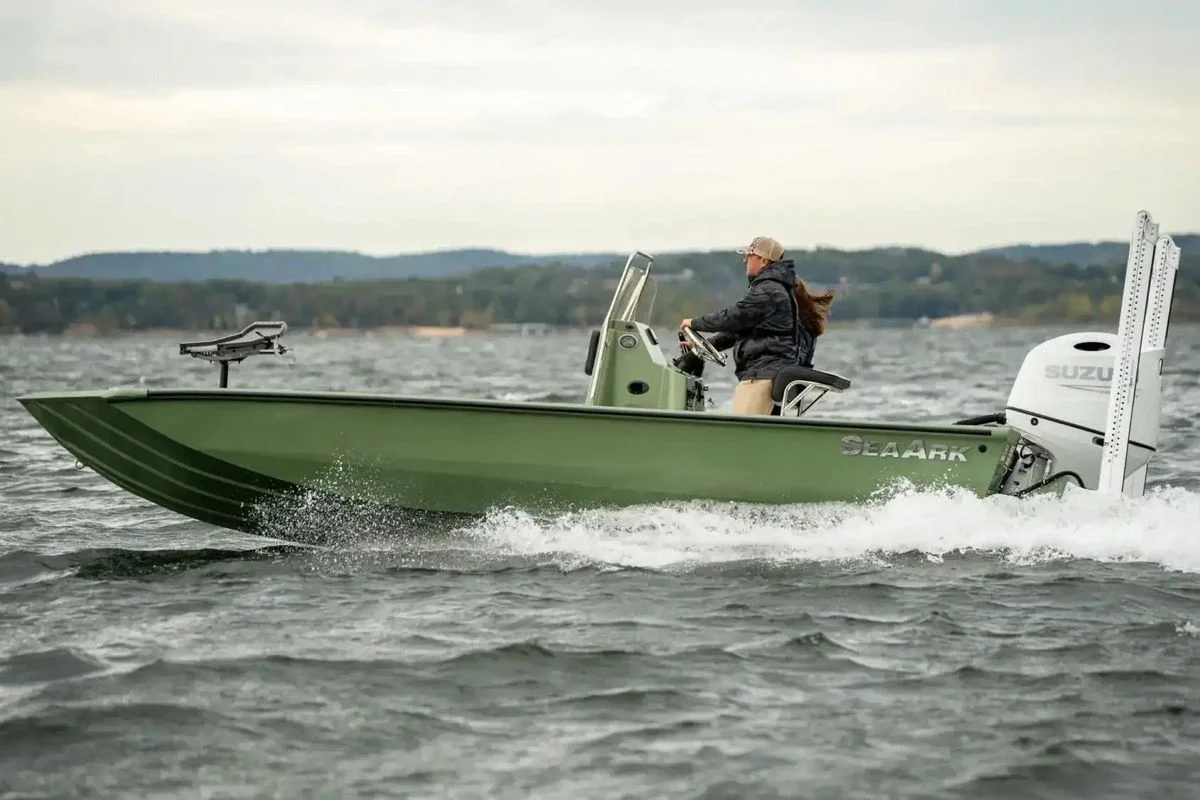
Bay Boats
Essential for the Big Bend's shallow estuaries. These boats feature lower drafts (8-14 inches) to navigate grass flats and oyster bars while remaining stable in open bay chop.
Best For: Inshore & Flats Fishing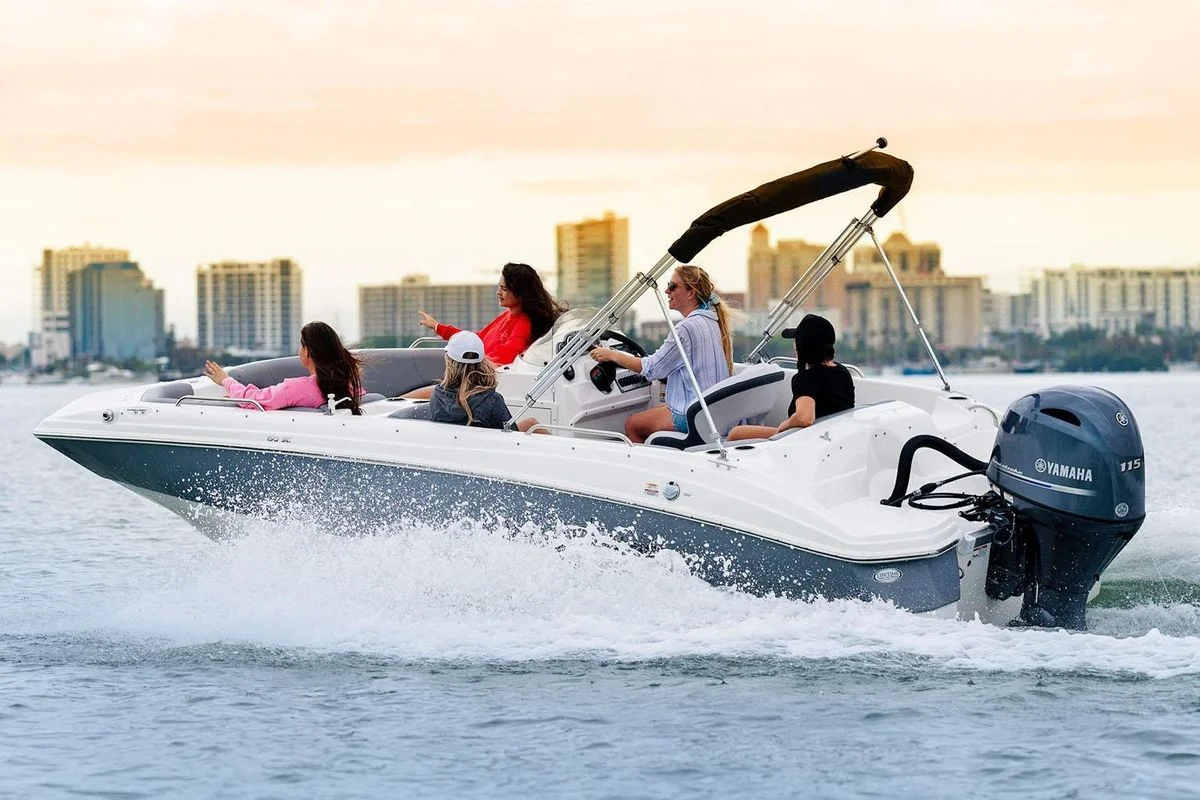
Deck Boats
The choice for Florida families. Ideal for freshwater springs, the Intercoastal Waterway (ICW), and calm river cruising. Offers massive seating capacity and storage for toys.
Best For: Family Comfort2. The True Cost of Ownership
Understand the "Hidden" annual expenses of owning a boat in the Southeast.
The "B.O.A.T" Principle
In Florida, maintenance is non-negotiable. The combination of high UV index and saltwater means your vessel requires a significantly higher budget than its freshwater counterparts in the North.
- Maintenance (30%): Includes annual engine service (100-hour), salt-wash protocols, and sacrificial anode replacements to prevent galvanic corrosion.
- Insurance (20%): Florida rates reflect higher risk from hurricanes. Ensure your policy includes 'Hurricane Haul-Out' coverage.
- Storage & Dockage (25%): Whether it's dry-stacking or a private slip, Florida's high demand makes storage a major monthly factor.
3. The Florida Buying Roadmap
Click each phase to see the critical "due diligence" steps required in the Southeast.
4. Legalities: Sales Tax & Registration
The Florida $18,000 Tax Cap
One of the biggest financial advantages of buying a boat in Florida is the $18,000 sales tax cap. Regardless of whether you buy a $500,000 yacht or a $2,000,000 sportfish, the state sales tax is capped at $18,000 (plus any local discretionary surtaxes). This makes Florida one of the most tax-friendly jurisdictions in the country for high-value marine transactions.
However, if you are moving a boat into Florida from another state where you paid less than 6% tax, you may owe the "Use Tax" difference if you've owned the boat for less than six months.
Title & Registration
Florida is a "Title State." This means all motorized vessels must be titled and registered with the Department of Highway Safety and Motor Vehicles (DHSMV). Registration fees are based on the length of the vessel and are renewed annually or biennially.
Critical Tip: Always verify that the HIN (Hull Identification Number) on the title matches the HIN physically stamped on the transom of the boat before handing over any funds. At Big Bend Marine, we handle this paperwork for our customers to ensure a seamless transition.
5. Managing the "Saltwater Factor"
Saltwater is a relentless force that never stops working against your vessel. When buying a used boat in Florida, the inspection must focus heavily on galvanic corrosion. Check the condition of the bonding system and the sacrificial anodes (zincs). If these have been neglected, the salt will begin to eat away at the lower units and thru-hull fittings.
UV Protection is Mandatory
The Florida sun is just as damaging as the salt. Gelcoat that isn't regularly waxed (at least twice a year in our region) will undergo "chalking"—an oxidation process that leaves the hull dull and porous. When buying, look for the gloss. A boat that shines has been cared for; a dull boat has likely been neglected, and that neglect often extends to the engine and wiring as well.
Wiring is another critical point. Florida boats require "Tinned Copper" wiring to prevent "green rot" from creeping through the electrical system. During your inspection, pull the dash panel and look for tinned wire; if you see raw copper, expect major electrical failures in the near future.
Start Your Florida Journey
Timing is everything, but having the right partner is just as important. Whether you're looking for new inventory clearance or a reliable pre-owned boat, Big Bend Marine is here to guide you through every season.
Buying a Boat in Florida: FAQ
Do I need a license to operate a boat in Florida?
Florida does not have a "boating license." However, anyone born on or after January 1, 1988, who operates a vessel with 10 horsepower or more must pass an approved boater safety course and possess a **Boating Safety Education ID Card** issued by the FWC. This is a critical legal requirement often overlooked by new buyers.
Should I get a survey for a smaller boat?
While surveys are mandatory for bank financing on larger vessels, we recommend a professional inspection for any purchase over $15,000. A surveyor can detect moisture in the transom or stringers—common in Florida's humid climate—that the naked eye cannot see, potentially saving you from a "total loss" scenario.
What if I buy a boat and want to move it out of Florida?
If you buy a boat in Florida and plan to remove it from the state, you can apply for a **Removal Affidavit**. This allows you to avoid paying Florida sales tax if the vessel is removed from Florida waters within 90 days of the purchase date. However, you will still be liable for taxes in your home state.
Is bottom paint necessary for all Florida boats?
Only if the boat is kept in the water (in a slip) for more than 48-72 hours at a time. Florida’s warm waters promote rapid marine growth (barnacles and algae). If you trailer the boat or use a lift, you do not need bottom paint, which helps maintain the boat's speed and fuel efficiency.
What happens during a "Sea Trial"?
The sea trial is the ultimate test of a vessel's mechanical health. You should run the boat at Wide Open Throttle (WOT) to ensure it reaches the manufacturer's rated RPM, check for leaks while the bilge pumps are off, and test the operation of all electronics and plumbing systems under actual load.